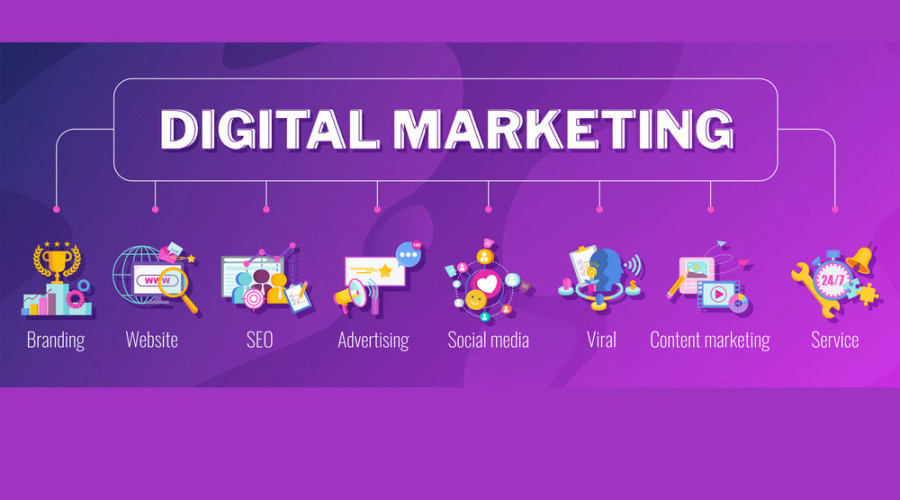
Digital marketing refers to the use of digital channels, platforms, and technologies to promote or market products and services to consumers and businesses. Unlike traditional marketing, which typically involves physical forms of advertising like print ads, billboards, and direct mail, digital marketing leverages the internet and electronic devices to reach and engage audiences.
Key Components of Digital Marketing
Search Engine Optimization (SEO)
- Definition: The practice of improving the visibility and ranking of a website on search engine results pages (SERPs) through organic (non-paid) search.
- Techniques: Keyword research, on-page optimization, link-building, and technical SEO.
Content Marketing
- Definition: The creation and distribution of valuable, relevant, and consistent content to attract and retain a clearly defined audience.
- Types: Blog posts, articles, videos, infographics, podcasts, and e-books.
Social Media Marketing
- Definition: The use of social media platforms to connect with your audience, build your brand, increase sales, and drive website traffic.
- Platforms: Facebook, Instagram, Twitter, LinkedIn, Pinterest, and TikTok.
Pay-Per-Click (PPC) Advertising
- Definition: A model of internet marketing in which advertisers pay a fee each time one of their ads is clicked.
- Platforms: Google Ads, Bing Ads, and social media advertising platforms.
Email Marketing
- Definition: Sending commercial messages, typically to a group of people, using email to build relationships with potential customers or clients.
- Components: Newsletters, promotional campaigns, and automated email sequences.
Affiliate Marketing
- Definition: A performance-based marketing strategy where a business rewards affiliates for each customer brought by the affiliate's marketing efforts.
- How It Works: Affiliates share a link to a product or service and earn a commission for every sale made through that link.
Influencer Marketing
- Definition: Leveraging individuals with a large, engaged following on social media or other online platforms to promote products or services.
- Types: Collaborations, sponsored posts, and product reviews.
Online Public Relations (PR)
- Definition: Managing your brand’s reputation and building positive relationships with your audience through online channels.
- Activities: Press releases, media coverage, and blogger outreach.
Conversion Rate Optimization (CRO)
- Definition: The process of increasing the percentage of visitors to a website who take a desired action, such as making a purchase or filling out a form.
- Techniques: A/B testing, usability improvements, and effective call-to-action strategies.
Analytics and Data Analysis
- Definition: The process of collecting, analyzing, and interpreting data to make informed marketing decisions.
- Tools: Google Analytics, social media analytics, and marketing automation tools.
Benefits of Digital Marketing
- Global Reach: Digital marketing allows businesses to reach a global audience without significant investment.
- Cost-Effectiveness: Compared to traditional marketing, digital marketing is often more cost-effective and measurable.
- Personalization: Digital marketing enables personalized marketing strategies tailored to individual customer preferences and behaviors.
- Engagement: Social media and other digital channels facilitate direct interaction and engagement with your audience.
- Measurable Results: With analytics tools, you can track and measure the effectiveness of your marketing campaigns in real-time.
Digital marketing is a dynamic and essential part of modern business strategies. Its ability to reach targeted audiences, provide measurable results, and adapt to changing trends makes it an invaluable tool for growth and success in the digital age.